Essential Water Heater Safety Tactics Every Homeowner Needs
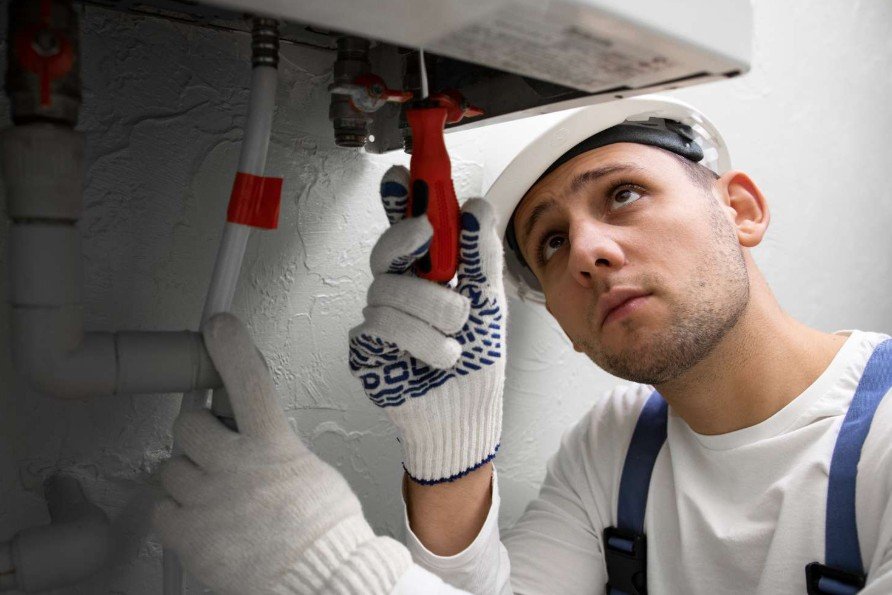
Managing your water heater temperature prevents severe scalding injuries and eliminates the risk of catastrophic tank explosions. Most homeowners treat water heaters as invisible appliances, tucked away in basements or utility closets until a cold shower forces an intervention. These heavy-duty appliances hold dozens of gallons of boiling water under immense pressure, making baseline safety knowledge mandatory for household protection. Implementing basic preventative habits keeps your system operating smoothly while eliminating major structural and fire hazards from your property.
-
Temperature Regulation and Scalding Prevention
Setting your water heater thermostat correctly prevents severe skin burns while stopping harmful bacterial growth in your water supply. Many manufacturers ship hot water tanks with the factory temperature dial set at 140 degrees Fahrenheit. This temperature is hot enough to cause deep, third-degree burns on a child or elderly adult in less than three seconds of exposure.
Adjusting the dial down to exactly 120 degrees Fahrenheit provides an ideal baseline for home safety and energy conservation. This temperature range is safe for human skin while remaining hot enough to kill dangerous pathogens like Legionella bacteria. Lowering the default setting also reduces standby heat loss, lowering your monthly utility expenses without sacrificing shower comfort.
-
Testing the Pressure Relief Valve
Verifying the operation of your temperature and pressure relief valve stops extreme pressure accumulation within the steel tank structure. Known as the T&P valve, this mechanical device serves as the primary failsafe if the thermostat malfunctions and heats water continuously. Without a functioning valve to release expanding steam, an over-pressurized tank can literally launch through multiple floors of a residential home.
Testing this component requires lifting the small metal lever located near the top of the tank once every six months. Lifting the lever should release a brief burst of hot water down the attached discharge pipe into your floor drain. If the valve fails to release water, or continues to drip steadily after you close the lever, it must be replaced immediately.
-
Maintaining Clearance and Combustion Safety
Keeping the physical space around your water heater completely clear eliminates immediate fire hazards and dangerous air restrictions. Fuel-burning gas units require a continuous supply of fresh oxygen to maintain a clean, complete combustion process. Stacking cardboard boxes, storage bins, or laundry baskets against the appliance starves the burner of air, resulting in high levels of carbon monoxide production.
Flammable liquids like gasoline, paint thinner, and aerosol sprays must never be stored in the same room as a water heater. The open pilot light or electronic ignition system at the base of the tank can easily ignite airborne chemical vapors. Maintaining a minimum three-foot clear boundary around the entire perimeter of the appliance ensures proper ventilation and easy access during maintenance emergencies.
-
Anode Rod Replacement and Structural Integrity
Monitoring the condition of the sacrificial anode rod prevents internal tank corrosion and sudden bottom-panel ruptures. The anode rod is a long metal piece suspended inside the tank that actively attracts corrosive elements present in your water. The rod intentionally degrades over time, sacrificing its own metal structure to protect the steel tank lining from oxidizing and thinning out.
Checking this component every few years prevents the inner tank from developing microscopic rust holes that lead to massive basement flooding. If the rod is completely depleted, the corrosive minerals will begin targeting the main tank walls immediately. Spending a few dollars to swap out a degraded rod extends the working life of your appliance by several seasons.
Conclusion
Taking ownership of your water heater safety protects your home investment from hidden pressures and unexpected thermal hazards. Regular plumber Saratoga springs UT inspections of the T&P valve, conscious thermostat adjustments, and clear space management eliminate the primary causes of appliance failures. These straightforward maintenance adjustments keep your household plumbing reliable, efficient, and completely secure. Take a few minutes to check your utility room configuration today to ensure your system meets these safety standards.