How Long Does Gas Line Installation Take for Your Home?
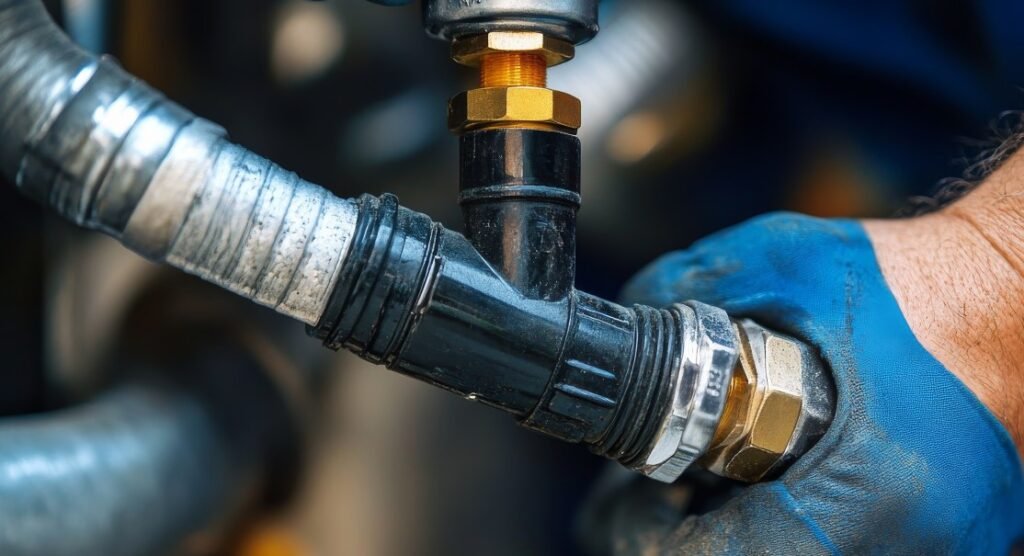
If you’re adding a gas range, fireplace, dryer, or outdoor grill to your home, one of the first questions you’ll have is simple: how long does gas line installation take?
It’s a fair question. You need to plan around it, scheduling contractors, arranging time off, and making sure your home isn’t disrupted longer than necessary.
The honest answer is that most residential gas line installations in Salt Lake City take anywhere from a few hours to a full day. But the actual timeline depends on several factors specific to your home and project..
Here’s what you need to know.
Why Timing Matters
Gas line work isn’t like painting a room. It involves your home’s gas supply system, pressure testing, and in most cases, a permit and inspection.
Getting the timeline right matters because:
- You may need to be home during the installation and inspection
- Some appliances can’t be used until the line is tested and approved
- Delays can push back appliance delivery or other scheduled work
- In Utah, permitted gas line work requires a final inspection before the line goes live
Planning ahead saves stress and avoids costly scheduling conflicts.
How Long Does Gas Line Installation Typically Take?
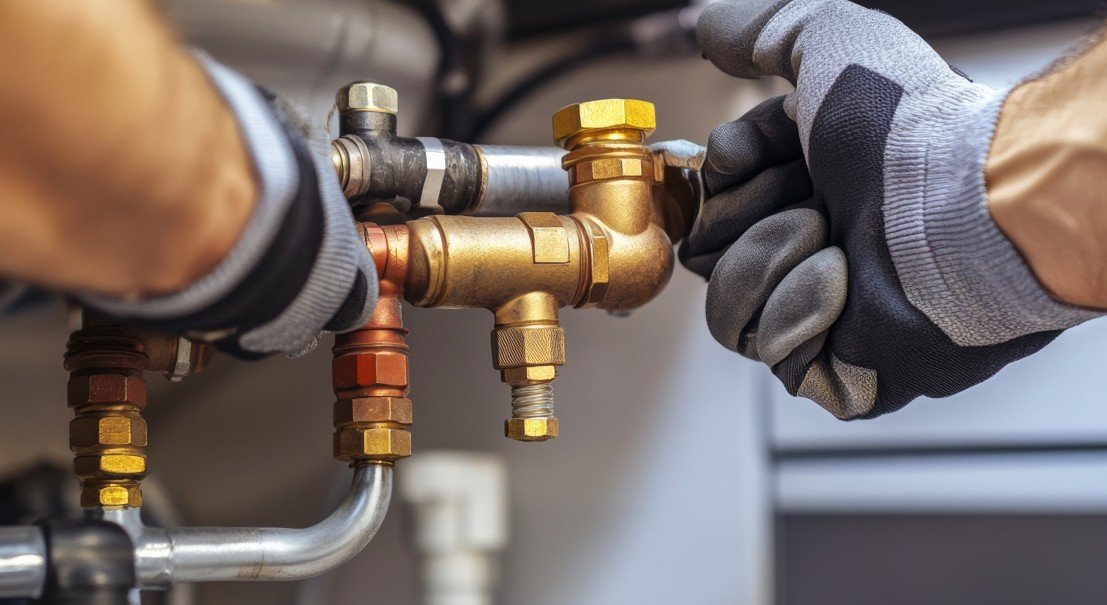
For most Salt Lake City homeowners, here’s a realistic picture based on project scope:
A short extension to a nearby appliance is usually done in 2 to 4 hours. Running a new line from the meter to a single appliance like a gas stove or dryer typically takes 4 to 8 hours and is completed within one workday. Projects involving multiple appliances or longer pipe runs may take 1 to 2 days. A full gas line installation in new construction can take anywhere from 2 to 5 days depending on the size of the home.
For the majority of homeowners adding a single gas appliance, the job is done the same day.
Factors That Affect Installation Time
No two installations are identical. Here’s what can add or reduce time on your project:
Distance from the gas meter: The farther the new line needs to run, the more pipe, labor, and time are involved.
Home type and construction: Older homes or those with slab foundations make routing pipe more difficult compared to homes with accessible crawl spaces or basements.
The number of appliances: adding one gas line is straightforward. Running lines to multiple appliances, kitchen, laundry room, outdoor patio, increases complexity and time.
Permits and inspections: In Salt Lake City, gas line work requires a permit. Pulling the permit before work begins is standard practice, but the inspection must be scheduled separately, which can add a day or two to the overall timeline.
Access and obstructions: Walls, finished ceilings, and tight crawl spaces slow things down. Easy access to the gas meter and appliance location speeds things up.
Step-by-Step Overview of the Installation Process
Understanding the process helps set realistic expectations:
- Assessment and planning: The plumber evaluates the route, checks existing gas pressure, and determines the right pipe sizing.
- Permit application: Required for most gas line work in Salt Lake City; typically processed same-day or within 24 hours online.
- Running the gas line: Pipe is routed from the meter or an existing gas line to the appliance location.
- Pressure testing: The new line is pressurized and tested for leaks before any connections are made to appliances.
- City inspection: A Salt Lake City inspector visits to verify the work meets code.
- Final hookup: Once the inspection passes, appliances are connected and the line is activated.
Common Causes of Delays
Even straightforward jobs can run longer than expected. Watch out for:
- Permit delays: Applying for permits last-minute adds waiting time
- Unexpected obstructions: Running pipe through finished walls takes more time
- Failed pressure test: Rare, but requires finding and fixing the issue before inspection
- Inspection scheduling: Peak seasons in Salt Lake City can mean a 1-3 day wait for inspectors
- Appliance delivery delays: If the appliance isn’t on-site, the final hookup gets pushed back
Tips to Speed Up Your Installation
- Schedule the permit in advance: Ask your plumber to pull the permit before the install date
- Clear the work area: Give the plumber easy access to the meter, appliance location, and any spaces in between
- Have your appliance on-site: Final hookup happens the same day if the appliance is ready
- Book inspections early: In busy seasons, inspection slots fill up fast in Salt Lake City
- Choose a licensed plumber: Experienced gas line plumbers work faster and reduce the chance of failed inspections
Conclusion
For most Salt Lake City homeowners, professional gas line installation takes one day or less for a single appliance. Larger or more complex projects may take two to three days, especially when permits and inspections are factored in.
The best way to get an accurate timeline is to have a licensed gas line plumber assess your specific situation before work begins.
If you’re planning a gas line installation or upgrade in Salt Lake City, contact Mr. Expert Plumbing to schedule a consultation, we’ll give you a clear timeline and handle everything from the permit to the final inspection.
Frequently Asked Questions
How long does it take to install a gas line for a stove?
For most homes, adding a gas line for a kitchen stove takes 3 to 6 hours of actual installation time. If the gas meter is in the basement and the kitchen is directly above, the job can often be done in a single morning.
Do I need a permit for gas line installation in Salt Lake City?
Yes. In Salt Lake City, any new gas line installation or significant modification requires a permit from the city’s Building Services division.
Can a gas line be installed in one day?
In most cases, yes. A single new gas line run for one appliance such as a dryer, stove, or fireplace is typically completed within one workday.
What factors make gas line installation take longer?
The main factors are the distance the pipe needs to travel, the accessibility of your walls and crawl spaces, the number of appliances being added, and how quickly the city inspection can be scheduled. Older homes with slab foundations or finished walls generally take more time than newer homes with open basements.
How do I know if my gas line installation is up to code in Utah?
Utah follows the International Fuel Gas Code (IFGC) with state amendments. After installation, a Salt Lake City inspector will verify that the work meets code before approving it.