How to Build a Raised Garden Bed: What I Wish I Knew Before Starting Mine
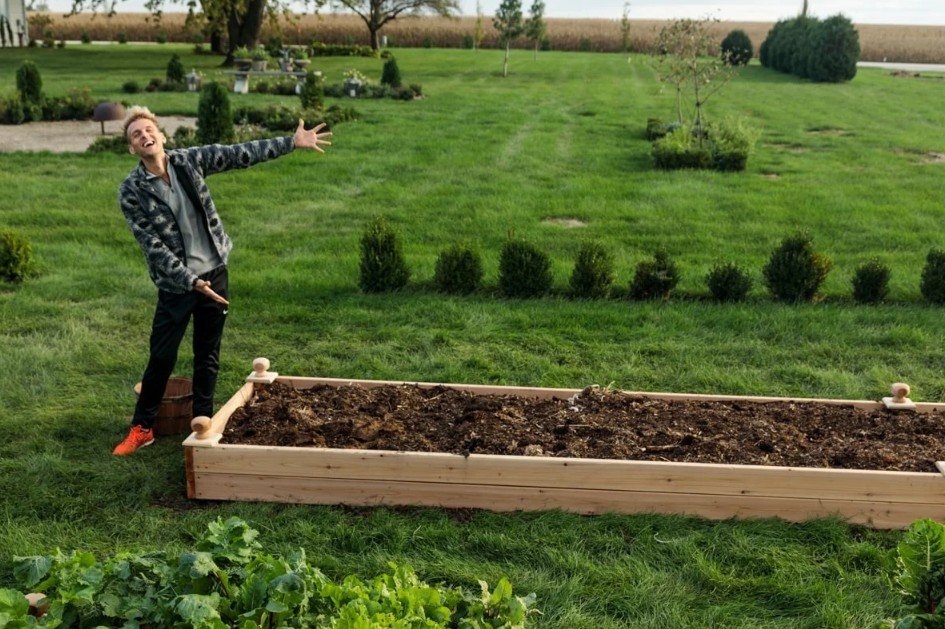
Why I Decided to Build a Raised Garden Bed
I’ll be honest—I originally built a raised garden bed because I was tired of fighting terrible soil.
Every time I planted vegetables directly into the ground, something went wrong. Either the drainage was awful, weeds took over, or the plants just looked weak no matter what I did.
At one point I almost gave up gardening completely.
Then I tried a raised bed.
And wow… the difference was immediate.
The plants grew faster, watering became easier, and honestly, the whole garden looked cleaner and more organized. I kinda wish I’d started this years earlier.
Why Raised Garden Beds Actually Work So Well
A raised garden bed basically creates a controlled growing environment.
Instead of relying on poor native soil, you build a contained planting area filled with nutrient-rich soil and compost.
That means:
- Better drainage
- Fewer weeds
- Easier maintenance
- Improved root growth
- Less soil compaction
And maybe the most underrated benefit? Less bending over while gardening.
My back appreciated that more than expected.
Materials You’ll Need
Keep It Simple at First
I made the mistake of overcomplicating my first build.
You really don’t need expensive materials to start.
Here’s what worked best for me:
Basic Materials
- Untreated cedar or pine boards
- Wood screws
- Drill or screwdriver
- Measuring tape
- Level
- Garden soil mix
- Compost
- Cardboard or landscape fabric
That’s honestly enough for a solid beginner setup.
Cedar lasts longer outdoors, but pine is cheaper. I started with pine because I wasn’t sure if I’d stick with gardening long term.
Turns out I did.
Choosing the Right Size
This part matters more than people think.
My first bed was way too wide, and I couldn’t comfortably reach the middle without stepping into the soil.
Bad idea.
A good beginner size is:
- 4 feet wide
- 6 to 8 feet long
- 12 to 18 inches deep
The 4-foot width is important because you can reach both sides easily.
Trust me, your future self will thank you.
Step-by-Step Guide to Building a Raised Garden Bed
Step 1 – Pick the Right Location
This was my first big mistake.
I placed my original raised bed in partial shade because it looked nice there.
The vegetables completely struggled.
Most vegetables need:
- 6–8 hours of sunlight daily
So now I always check sunlight patterns before building anything.
Also try avoiding low spots where water pools after rain.
Step 2 – Measure and Mark the Area
Once you choose the location:
- Measure your dimensions
- Mark corners with stakes or spray paint
- Make sure the ground is relatively level
I skipped leveling once and the bed looked crooked forever. Drove me crazy every time I saw it.
Step 3 – Build the Wooden Frame
The Easy Method I Used
I simply screwed the boards together into a rectangle.
Nothing fancy.
For a basic 4×8 bed:
- Use two 8-foot boards
- Use two 4-foot boards
Attach them at the corners using wood screws.
That’s it.
Some people use brackets, but honestly screws worked fine for me.
Step 4 – Prepare the Ground
Before placing the frame:
- Remove grass and weeds
- Loosen the soil slightly
- Lay cardboard underneath
The cardboard helps block weeds naturally.
And eventually it breaks down into the soil anyway.
Pretty simple trick, but super effective.
Step 5 – Fill the Raised Bed Properly
This part gets expensive fast if you’re not careful.
I underestimated how much soil a raised bed actually needs.
For the best results, I now use roughly:
- 60{1b12c35df39edd9237444349f1bbc2be2322c3e42382225374b1f0d239c6bb20} quality garden soil
- 30{1b12c35df39edd9237444349f1bbc2be2322c3e42382225374b1f0d239c6bb20} compost
- 10{1b12c35df39edd9237444349f1bbc2be2322c3e42382225374b1f0d239c6bb20} aeration material (like perlite or peat moss)
Good soil makes a huge difference.
Cheap soil caused weak plants in one of my early beds, and I spent months wondering why growth was so slow.
Step 6 – Water the Soil Before Planting
I skipped this once and the soil settled unevenly later.
Now I always:
- Water deeply first
- Let soil settle overnight if possible
- Top off low spots afterward
Little step, but it prevents annoying problems later.
What to Plant in a Raised Garden Bed
Best Beginner Plants
Some plants are way easier than others.
The easiest crops I’ve personally grown in raised beds:
- Lettuce
- Tomatoes
- Basil
- Peppers
- Spinach
- Green onions
Tomatoes especially seemed to thrive compared to ground planting.
Just make sure you use cages or stakes early.
I waited too long once and ended up with a tangled mess.
Companion Planting Helps More Than I Expected
This sounded kinda gimmicky at first.
But pairing certain plants together actually helped.
Examples:
- Basil near tomatoes
- Marigolds near vegetables
- Lettuce beside taller plants for shade
Marigolds especially helped reduce pests in my garden.
And they made everything look better too.
Common Mistakes I Made Building Raised Beds
Using Treated Wood Without Checking
Some older treated wood contains chemicals not ideal for edible gardens.
Now I stick to:
- Cedar
- Untreated pine
- Food-safe materials
Always worth double-checking.
Overwatering the Bed
Raised beds drain faster, but that doesn’t mean constant watering.
I drowned my lettuce once by “helping” too much.
Now I check soil moisture before watering.
Simple habit, big improvement.
Planting Too Much in One Bed
I got overexcited early on.
Everything looked tiny when planted… then suddenly overcrowded weeks later.
Spacing matters more than beginner gardeners realize.
Plants compete for:
- sunlight
- nutrients
- airflow
And crowded plants attract more disease issues.
Raised Garden Bed Maintenance Tips
Keep Soil Healthy Every Season
The best thing I started doing was adding compost every growing season.
Raised beds slowly lose nutrients over time.
Now I refresh mine yearly with:
- compost
- organic fertilizer
- mulch
The difference in plant health is honestly noticeable.
Mulching Helps a LOT
I ignored mulch at first because it looked unnecessary.
Big mistake.
Mulch helps:
- retain moisture
- reduce weeds
- regulate soil temperature
And honestly, it makes the bed look cleaner too.
Is Building a Raised Garden Bed Worth It?
For me? Absolutely.
It made gardening easier, cleaner, and way more productive.
Was it perfect the first time? Not even close.
I built crooked frames, bought bad soil, planted things too close together… all of it.
But even with mistakes, the raised bed still outperformed my regular garden space.
That says a lot.
Conclusion
Building a raised garden bed is one of the best beginner-friendly gardening projects you can do.
It improves soil control, drainage, plant growth, and overall garden organization while making maintenance much easier.
From my own experience, the biggest keys are:
- choosing the right location
- using quality soil
- avoiding overcrowding
- keeping the design simple at first
You don’t need expensive tools or professional landscaping skills to build a successful raised bed.
Honestly, patience and good soil matter way more.
And once you harvest your first healthy vegetables from it… yeah, you’ll probably want to build another one.
FAQ: How to Build a Raised Garden Bed
- What wood is best for raised garden beds?
Cedar is the most durable, but untreated pine is a cheaper beginner option.
- How deep should a raised garden bed be?
Most raised beds work well at 12–18 inches deep.
- What soil should I use?
A mix of garden soil, compost, and aeration material works best.
- Do raised beds need drainage holes?
No, because they are open to the ground underneath.
- How much sunlight do raised beds need?
Most vegetables require 6–8 hours of direct sunlight daily.
- Are raised beds expensive to build?
They can be affordable if you use simple materials and basic designs.
- What vegetables grow best in raised beds?
Tomatoes, lettuce, peppers, spinach, and herbs grow very well.
- How long do raised garden beds last?
Cedar beds may last 10–15 years, while pine usually lasts several years depending on climate.