Plywood Kitchen Cabinets vs. Valchromat: Which Should You Choose?
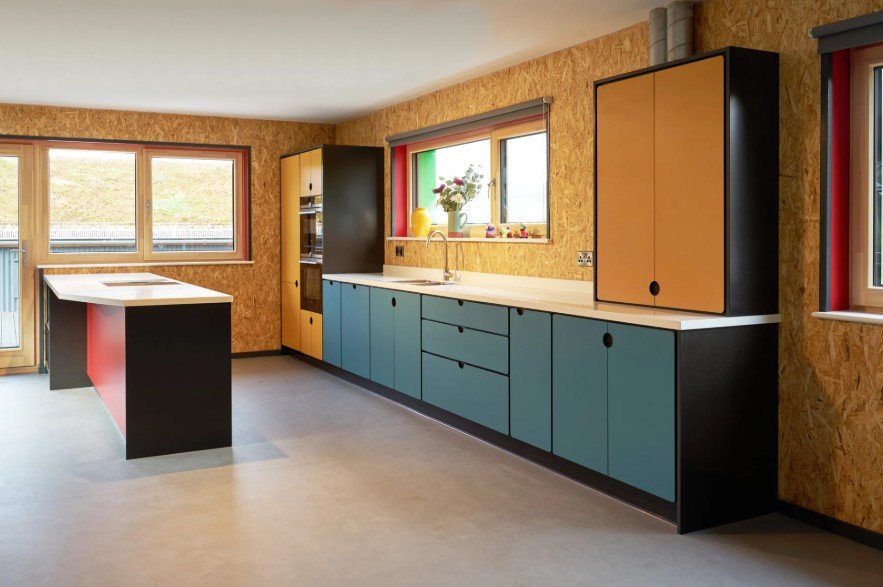
One of the most important choices you’ll make when planning a kitchen is the cabinet material. Cabinets aren’t just storage providers, they set the style, dictate longevity, and account for the largest part of your budget. Two materials often compared in modern design are plywood and Valchromat.
Both are engineered wood products, but they behave very differently. Plywood is known for strength and natural wood character, while Valchromat offers bold colour options and a sleek, modern finish. In this guide, we’ll explore the differences in depth, comparing durability, cost, maintenance, and design potential to help you choose the right option for your home.
1. Why Cabinet Material Matters in Kitchen Design
Cabinet materials affect more than aesthetics — they determine how your kitchen performs over time.
Key factors include:
Durability – whether cabinets withstand daily use.
Moisture resistance – vital in a room with steam, spills, and heat.
Design potential – natural grain vs. bold, coloured finishes.
Sustainability – how environmentally friendly the material is.
Long-term value – how the kitchen will look and function after years of use.
With so much at stake, choosing the right material ensures your kitchen is beautiful, practical, and long-lasting.
2. What Are Plywood Kitchen Cabinets?
Plywood is created by gluing together thin sheets of wood veneer, each with alternating grain direction. This layered construction produces a strong, stable panel that resists warping.
Key qualities of plywood cabinets:
Strength – excellent load-bearing capacity.
Moisture resistance – superior to many engineered boards.
Natural aesthetic – exposed edges or veneered surfaces suit plywood kitchens.
Versatility – used for carcasses, shelves, and furniture.
Plywood has become synonymous with Scandinavian and mid-century modern kitchens, where natural materials and clean lines define the look.
3. What Is Valchromat in Kitchen Cabinets?
Valchromat is an innovative wood fibre panel, similar to MDF in structure but superior in performance. Fibres are individually dyed with organic colouring agents before being bonded together with special resins. The result is a board with colour running throughout its thickness.
Key qualities of Valchromat cabinets:
Coloured core – available in rich shades from charcoal to mustard, with no need for painting.
Durability – stronger and denser than standard MDF.
Moisture resistance – treated with resins for improved performance.
Design flexibility – can be routed, engraved, and finished with oils or varnishes.
Valchromat is particularly popular in design-led kitchens, where bold colour and minimalistic finishes are central to the aesthetic.
4. Plywood vs. Valchromat: A Detailed Comparison
Durability and Longevity
Plywood: Resists warping and can support heavy loads. Ideal for carcasses and structural parts.
Valchromat: Denser and tougher than MDF, but not as strong as plywood for load-bearing elements.
Moisture and Heat Resistance
Plywood: Performs well in humid environments, especially when sealed.
Valchromat: More moisture-resistant than MDF, but edges still need sealing in wet zones.
Aesthetic Options
Plywood: Warm, natural look with visible grain. Perfect for plywood furniture.
Valchromat: Offers bold, solid colours through the core. Scratches reveal the same colour beneath, unlike painted MDF.
Maintenance and Repairs
Plywood: Can be sanded and refinished if scratched.
Valchromat: Surface can be re-oiled, but deeper marks may remain visible.
Cost and Value
Plywood: Typically costs more but offers longer lifespan.
Valchromat: Mid-range — more expensive than MDF, but cheaper than high-grade plywood in some cases.
Sustainability and Environmental Impact
Plywood: FSC-certified options available, using thin veneers efficiently.
Valchromat: Made with organic dyes and environmentally conscious resins, though resin-heavy production has a higher footprint than plywood.
5. Which Works Best for Different Kitchen Sizes and Styles?
Small Kitchens
Plywood: Ideal for carcasses, giving slim yet sturdy structures.
Valchromat: Coloured surfaces reduce the need for additional finishes, keeping the space uncluttered.
Medium Kitchens
Combining both works well: plywood for structure, Valchromat for statement doors or panels.
Large Kitchens
Plywood: Works beautifully in expansive, open-plan layouts.
Valchromat: Adds bold, modern character with rich, consistent colour across larger surfaces.
6. Real-Life Applications
Family kitchens: Plywood handles wear and tear best.
Design-led homes: Valchromat offers striking, colour-saturated finishes.
Eco-conscious clients: FSC-certified bespoke plywood kitchens provide a more natural option.our
Hybrid designs: Carcasses in plywood, doors in Valchromat for a balance of strength and style.
Projects often combine both materials, creating kitchens that are as practical as they are visually unique.
7. Conclusion
Both plywood and Valchromat offer advantages for modern kitchens.
Choose plywood if you want strength, durability, and the warmth of natural wood.
Choose Valchromat if you’re seeking bold colour, a contemporary finish, and a balance of durability with design freedom.
For many households, the best choice is a combination of both: plywood where strength matters, Valchromat where style and colour are the priority.
8. FAQ
- Is Valchromat better than MDF?
Yes. Valchromat is denser, stronger, and more moisture-resistant than standard MDF. - Can Valchromat be used for kitchen doors?
Absolutely. It’s often chosen for slab-style doors in bold colours. - Does plywood last longer than Valchromat?
Generally yes, especially for structural parts of a kitchen, though Valchromat is excellent for decorative finishes. - Can I mix plywood and Valchromat in one kitchen?
Yes. Many designers use plywood for carcasses and Valchromat for doors or panels. - Is Valchromat eco-friendly?
It uses organic dyes and eco-friendly resins, though plywood is often considered the greener option overall. - Does Valchromat scratch easily?
It’s tougher than MDF, but scratches can still happen. The advantage is that colour runs through the board, so marks are less obvious. - What’s the best plywood thickness for cabinets?
18mm is the standard for carcasses, with thicker ply for shelving and load-bearing parts. - Do Valchromat edges need sealing?
Yes, particularly in kitchens, to protect against moisture ingress. - Which looks more modern — plywood or Valchromat?
Both can look modern: Scandinavian style kitchens lean toward plywood, while minimal, colour-led designs favour Valchromat. - Is Valchromat more expensive than plywood?
It sits between MDF and plywood in cost — pricier than MDF, often slightly cheaper than high-quality birch ply.
9. Choosing the Right Partner
If you’re weighing up plywood and Valchromat for your kitchen, the best results often come from working with a company experienced in both materials. That way, you’re not locked into a single option — you can mix and match for strength, colour, and budget to create a kitchen that truly fits your lifestyle. Wood & Wire are a bespoke company that design and build bespoke kitchens that balance practicality with personality, using plywood, Valchromat, and other high-quality materials to achieve a finish that lasts.